
The Lens Filter That Cost Me a $50,000 Gig
I'll never forget the day I almost lost the best job of my career because I couldn't find a lens filter.
I was operating Steadicam on a major commercial—luxury car brand, A-list director, six-figure budget. The kind of job that leads to more jobs if you nail it.
We were shooting a tracking shot through a glass-walled building. Gorgeous location. Perfect light. The director wanted a specific look: ND filter to control exposure, plus a subtle diffusion filter for that high-end commercial glow.
"Can you add the filters?" the DP asked.
"Absolutely," I said.
I set down the Steadicam rig—carefully, because it weighed 60 pounds and cost more than my car. I opened my camera bag to grab the filters.
And that's when I realized the problem.
My camera bag was designed for traditional camera work. Big compartments. Lots of space. Great for a camera cart or a table. Completely useless when you're working mobile.
I had the filters. Somewhere. But finding them meant unpacking half my bag, sorting through pouches, and digging through layers of gear.
The director was waiting. The DP was waiting. The client was waiting. Fifty crew members were standing around while I searched for a $200 filter.
It took me three minutes to find it. Three minutes doesn't sound like much, but on a high-end commercial where every minute costs $500-1,000 in crew time, that's $1,500-3,000 in wasted budget.
I got the filter on. We shot the take. It was beautiful. But afterward, the DP pulled me aside.
"You're a great operator," he said. "But you need to get your organization together. On jobs like this, we can't afford delays."
I didn't get called back for the next commercial in the series. They hired someone else.
That's when I learned the hard truth about Steadicam work: your organizational system isn't optional. It's part of your technical skillset. And if you can't access your gear quickly while managing a 60-pound rig, you won't work at the highest levels.
Why Steadicam Organization Is Different From Every Other Position
Here's what most people don't understand about Steadicam operating: you're doing precision camera work while wearing a 60-pound rig that you can't easily remove.
Traditional camera operators work from a tripod or a dolly. They can set the camera down, walk to their bag, find what they need, and return to the camera.
Steadicam operators? You're wearing the camera. The rig is strapped to your body. Taking it off and putting it back on takes 5-10 minutes and requires help from an assistant.
This creates unique organizational challenges:
Mobility Constraints: You can't easily access a large camera bag while wearing a Steadicam rig. Your organizational system needs to be compact and accessible.
Weight Considerations: You're already carrying 40-60 pounds of camera gear. Every additional ounce matters. Your organizational tools need to be lightweight.
Quick Access Requirements: When the DP calls for a lens change or filter swap, you need to access gear in seconds, not minutes. Your system needs to be fast.
Limited Assistant Support: Unlike traditional camera departments that have a full team, many Steadicam ops work alone or with minimal support. Your system needs to work independently.
Constant Movement: You're not stationary. You're moving between setups, navigating locations, and working in tight spaces. Your organizational system needs to move with you.
I've worked with Steadicam operators who could execute a lens change in under 60 seconds while wearing their rig. And I've worked with operators who took five minutes and needed help from three people.
The difference? A purpose-built organizational system designed specifically for mobile camera work.
The Problem With Traditional Camera Bags for Steadicam Work
Most Steadicam operators start their careers using traditional camera bags:
-
Large backpacks designed for stationary work
-
Pelican cases that stay on the camera cart
-
Standard camera bags with big compartments
-
Generic organizer systems not built for mobility
These systems work fine for traditional camera work. They fail completely for Steadicam operating.
Here's why:
Too Large: Traditional camera bags are designed to hold everything you might need. But when you're wearing a Steadicam rig, you can't access a large bag. You need a compact system that holds only what you need for the current setup.
Poor Accessibility: Big compartments mean digging through layers of gear. When you're wearing 60 pounds of equipment, you can't spend three minutes searching for a filter.
Wrong Weight Distribution: Traditional bags are designed to be carried or set down. They're not designed to be accessed while you're wearing a body-mounted rig.
No Quick-Access Design: Standard camera bags assume you have time to unpack and organize. Steadicam work requires instant access to critical items.
I watched my organizational failure on that commercial shoot and realized I needed a completely different system. Not a bigger bag. Not more compartments. A fundamentally different approach to mobile camera organization.
The Three-Pocket Steadicam Organization System
The best Steadicam operators I know use a three-pocket organizational system:
Pocket 1: On-Body EssentialsPocket 2: Near-Body Quick AccessPocket 3: Base Camp Backup
Let me break down each pocket.
Pocket 1: On-Body Essentials
This is gear that needs to be accessible while you're wearing the rig. It lives in small pouches attached to your vest, belt, or within arm's reach.
What goes here:
-
Lens cleaning supplies (microfiber cloth, lens pen, air blower)
-
Allen keys for rig adjustments
-
Small multi-tool
-
Gaffer tape (small roll)
-
Sharpie
-
Focus marks or tape
The key principle: If you need it while wearing the rig, it lives on your body.
I worked with a Steadicam op named David who had a small organizer pouch attached to his vest. Front pocket: lens cleaning supplies. Main compartment: tools for rig adjustments. Back pocket: focus tape and marks.
He could clean a lens, adjust his rig, and mark focus without taking off the Steadicam. His hands knew exactly where everything was. No searching. No delays.
Pocket 2: Near-Body Quick Access
This is gear that you need frequently but can't carry on your body. It lives in a compact bag that stays within 10 feet of wherever you're operating.
What goes here:
-
Filters (ND, polarizers, diffusion)
-
Small lens accessories (lens caps, step rings)
-
Backup batteries (camera and wireless systems)
-
Emergency repair items (extra screws, backup Allen keys)
-
Backup lens cleaning supplies
The key principle: This bag is small enough to be carried by an assistant or placed near your operating position. You can access it quickly without removing your rig.
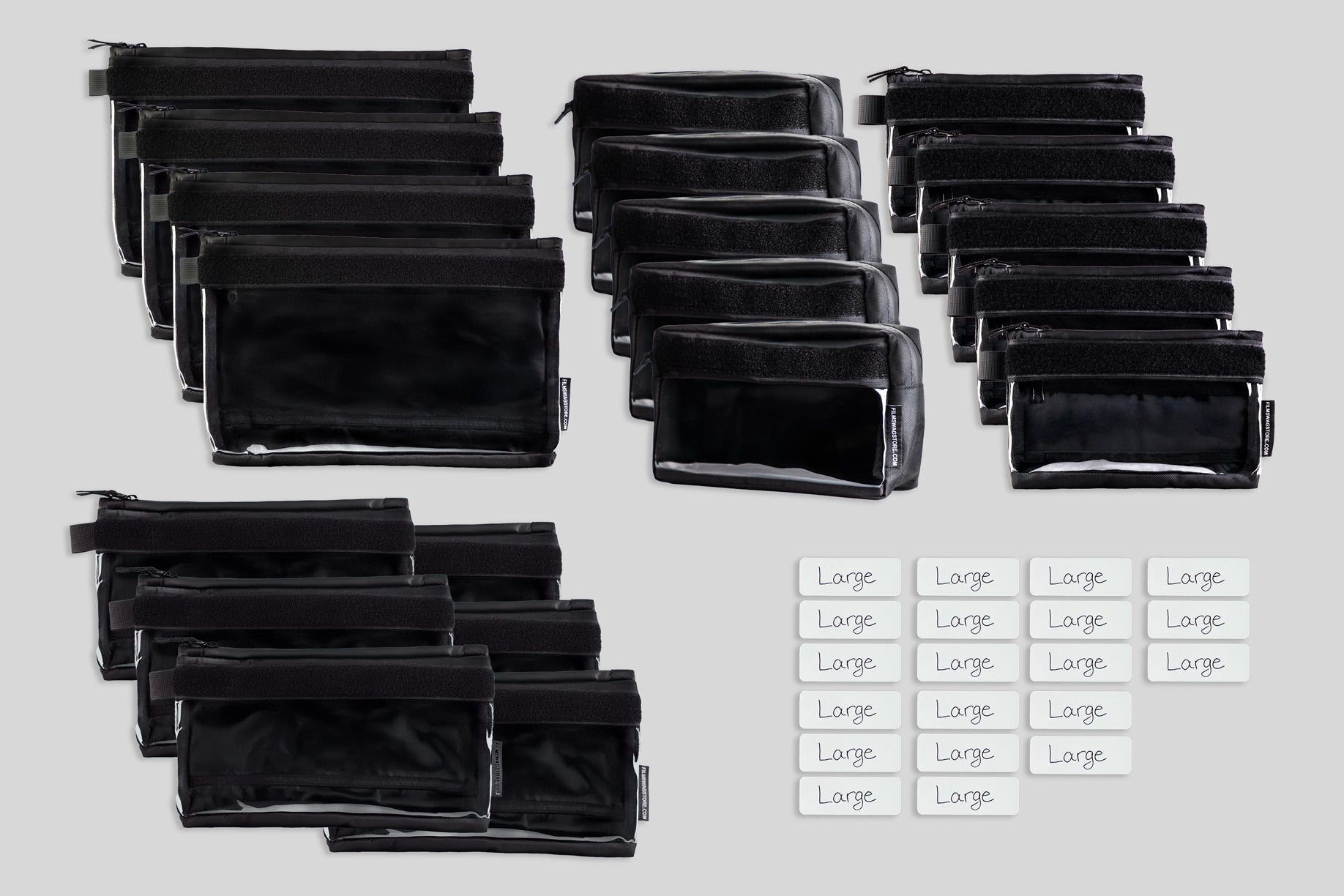
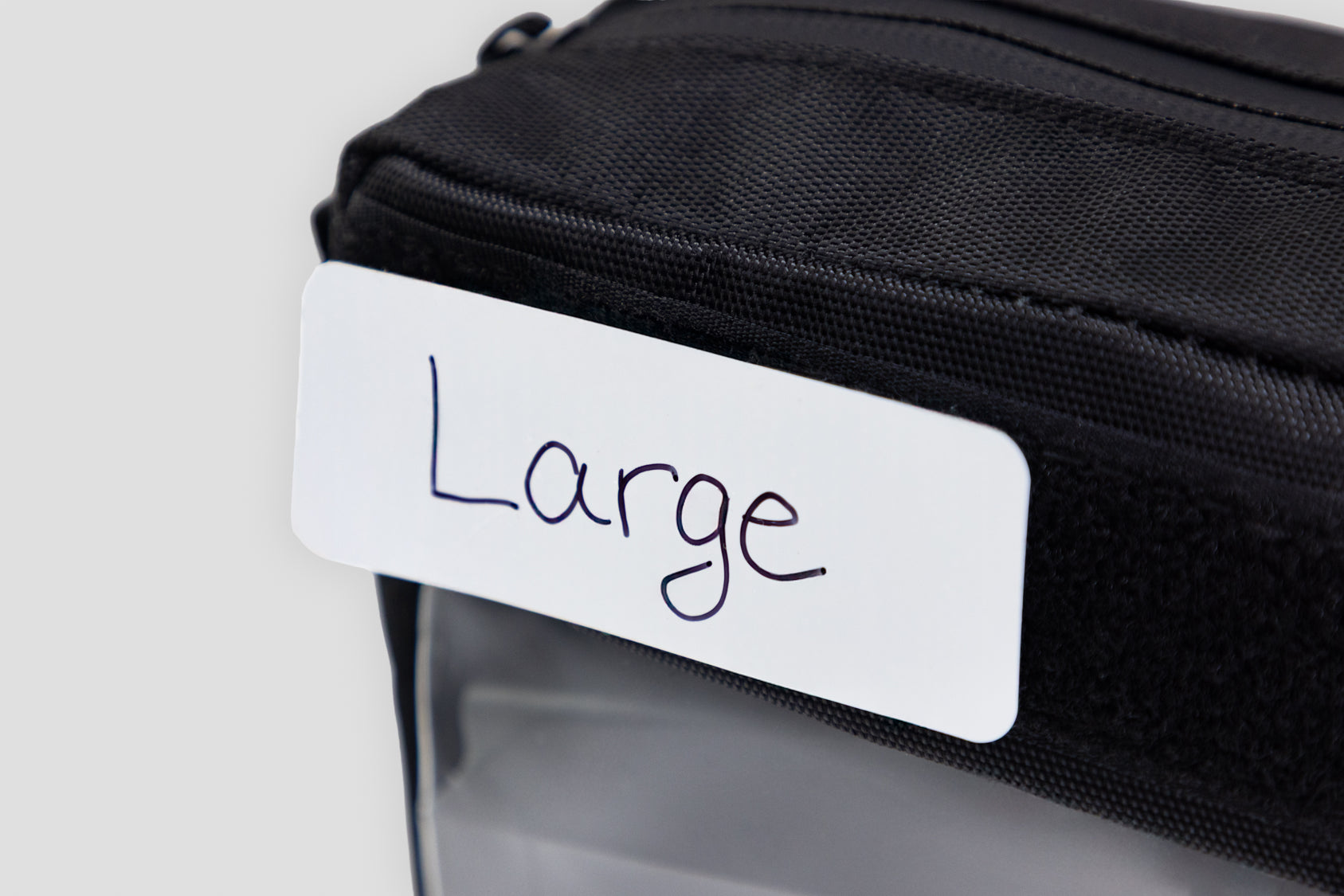
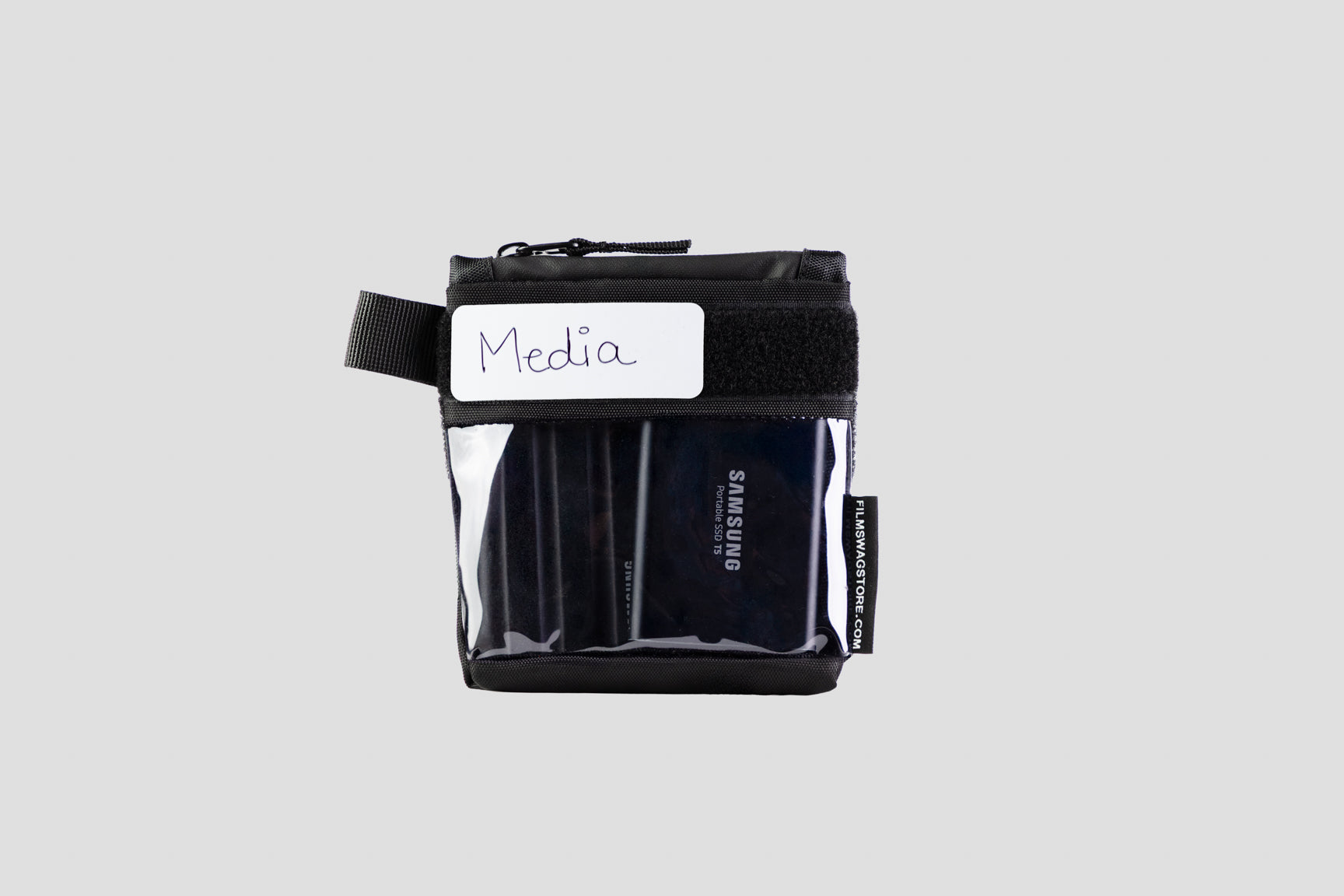
I worked with a Steadicam op named Rachel who used an 8x8" Film Swag organizer bag for her near-body quick access system. Each pouch was labeled. Filters in one section. Batteries in another. Lens accessories in a third.
When the DP called for a filter change, Rachel's assistant would bring her the bag. She'd open the "filters" pouch, grab what she needed, and be ready to shoot in under 30 seconds.
"I used to use a big camera backpack," Rachel told me. "But accessing it while wearing the rig was impossible. This small bag changed everything. I can find what I need instantly."
Pocket 3: Base Camp Backup
This is your full camera kit that stays at base camp or on the camera cart. It contains everything you might need but don't need for the current setup.
What goes here:
-
Full lens set
-
Backup camera bodies
-
Large accessories (matte boxes, follow focus systems)
-
Cables and adapters
-
Complete tool kit
-
Backup everything
The key principle: This is your comprehensive system. You visit it between major setups, but you don't access it during active shooting.
The Real Cost of Poor Steadicam Organization
Let's talk about what disorganization actually costs Steadicam operators.
Time Costs: If you waste three minutes per setup searching for gear, and you do 20 setups per day, that's 60 minutes of wasted time. On a high-end commercial where time costs $500-1,000 per minute, that's $30,000-60,000 in wasted production budget per day.
Physical Costs: Every minute you spend wearing the rig unnecessarily is a minute of physical strain. Steadicam operating is physically demanding. Wasting energy on organizational problems means less energy for operating.
Reputation Costs: This is the big one. Steadicam operators get hired based on reputation. You're known as either "fast and efficient" or "slow and disorganized." One label gets you hired for high-end work. The other keeps you stuck on low-budget projects.
Career Costs: The highest-paying Steadicam jobs—commercials, major features, high-end episodic—demand speed and efficiency. If you can't organize your gear for quick access, you won't get hired for these jobs.
I lost that $50,000 commercial gig because I wasted three minutes searching for a filter. Three minutes. That's all it took to demonstrate that I wasn't ready for that level of work.
But here's the thing: I was ready technically. I could operate. I could frame. I could execute complex moves. But my organizational system wasn't professional-level, so I didn't get the job.
How to Build Your Steadicam Organization System
If you're ready to build a professional Steadicam organization system, here's the step-by-step process:
Step 1: Audit Your Current System
Pull out everything you carry on a typical shoot day. Every filter, every tool, every accessory, every backup item.
Divide it into three categories:
Need while wearing rig: Items you must access while operatingNeed nearby: Items you need frequently but can't carry on bodyNeed at base camp: Everything else
Most Steadicam operators discover that 80% of what they carry falls into the "need at base camp" category. You don't need to carry everything. You need quick access to the 20% you use constantly.
Step 2: Build Your On-Body System
For items you need while wearing the rig, create a compact on-body system:
-
Small pouch attached to your vest (lens cleaning supplies, basic tools)
-
Belt pouch for gaffer tape and sharpie
-
Vest pocket for focus marks
Test this system while wearing your rig. Can you access everything without help? Can you find items by feel? If not, adjust until you can.
Step 3: Build Your Near-Body Quick Access System
This is where most Steadicam operators fail. They either carry too much (slowing them down) or too little (requiring constant trips to base camp).
The ideal near-body system:
One compact bag (8x8" or 10x10" maximum)Organized by category (filters, batteries, accessories)Clearly labeled (so you or your assistant can find items instantly)Lightweight (under 5 pounds total)
I recommend using a Film Swag organizer bag for this. Multiple compartments for different categories. Velcro labels so you know exactly where everything is. Compact enough to be carried easily but organized enough to find items in seconds.
Step 4: Build Your Base Camp System
Your base camp system can be larger and more comprehensive. This is where your full lens set lives, your backup bodies, your complete tool kit.
Organize this system by:
Lenses: Organized by focal lengthAccessories: Organized by type (filters, batteries, cables)Tools: Complete tool kit with everything you might needBackup gear: Backup of everything critical
Label everything. Use a consistent organizational logic so you can find items quickly when you visit base camp between setups.
Step 5: Test Under Real Conditions
Before you trust your system on a real job, test it:
-
Put on your rig
-
Have someone call out items you need to access
-
Time how long it takes to find each item
-
Identify bottlenecks and fix them
Your goal: Access any frequently-needed item in under 30 seconds without removing your rig.
Step 6: Maintain Religiously
Your system only works if you follow it consistently.
After every setup:
-
Return items to their designated homes
-
Restock your near-body bag if needed
-
Check that everything is where it should be
Never put something in a temporary spot "just for now." Temporary becomes permanent, and permanent becomes chaos.
Why Film Swag Bags Work for Steadicam Operators
I designed these bags after watching Steadicam operators struggle with organizational systems that weren't built for mobile camera work.
Here's what makes them work for Steadicam:
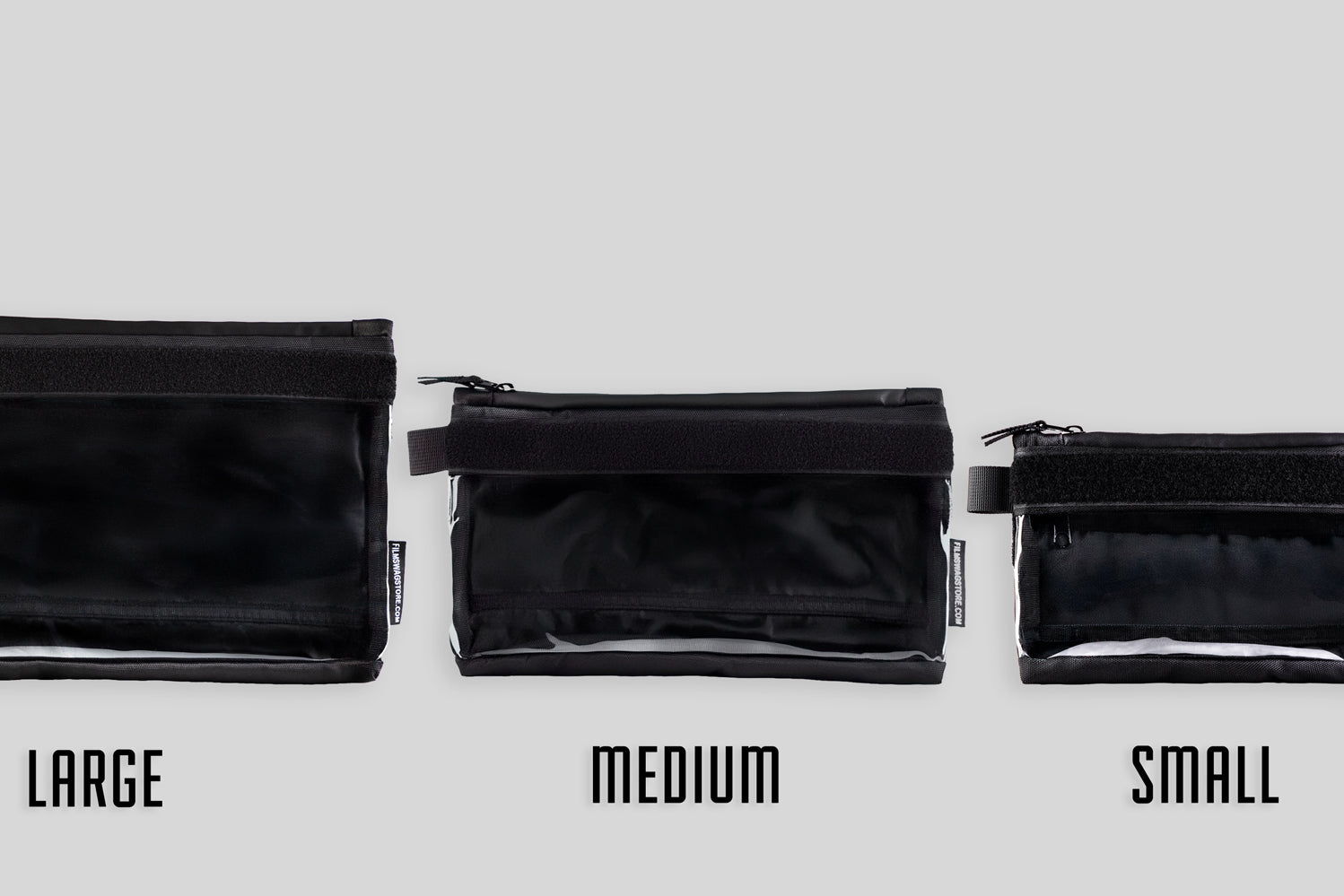
Compact Size: Our 8x8" and 10x10" bags are large enough to hold what you need but small enough to be accessed while wearing a rig.
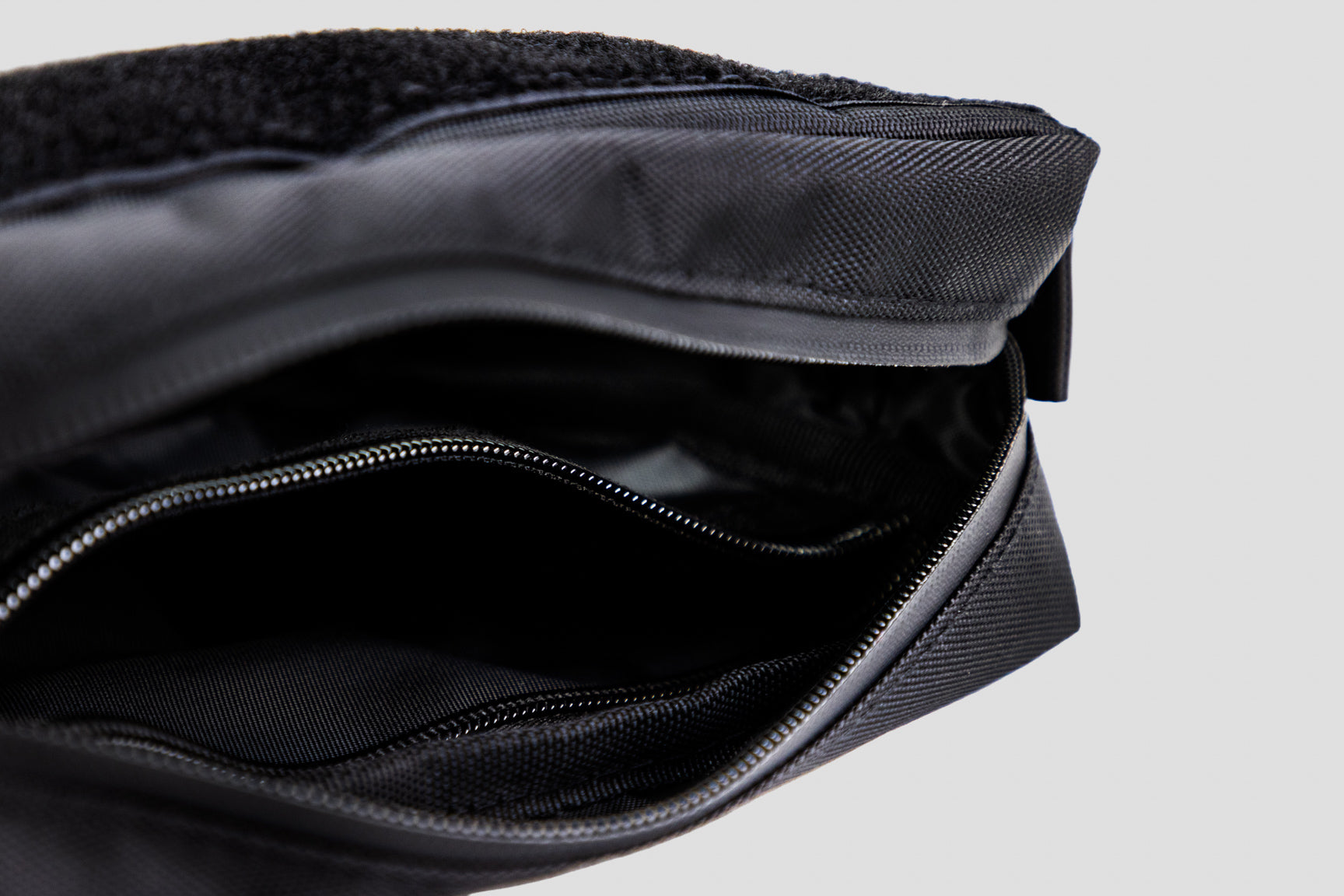
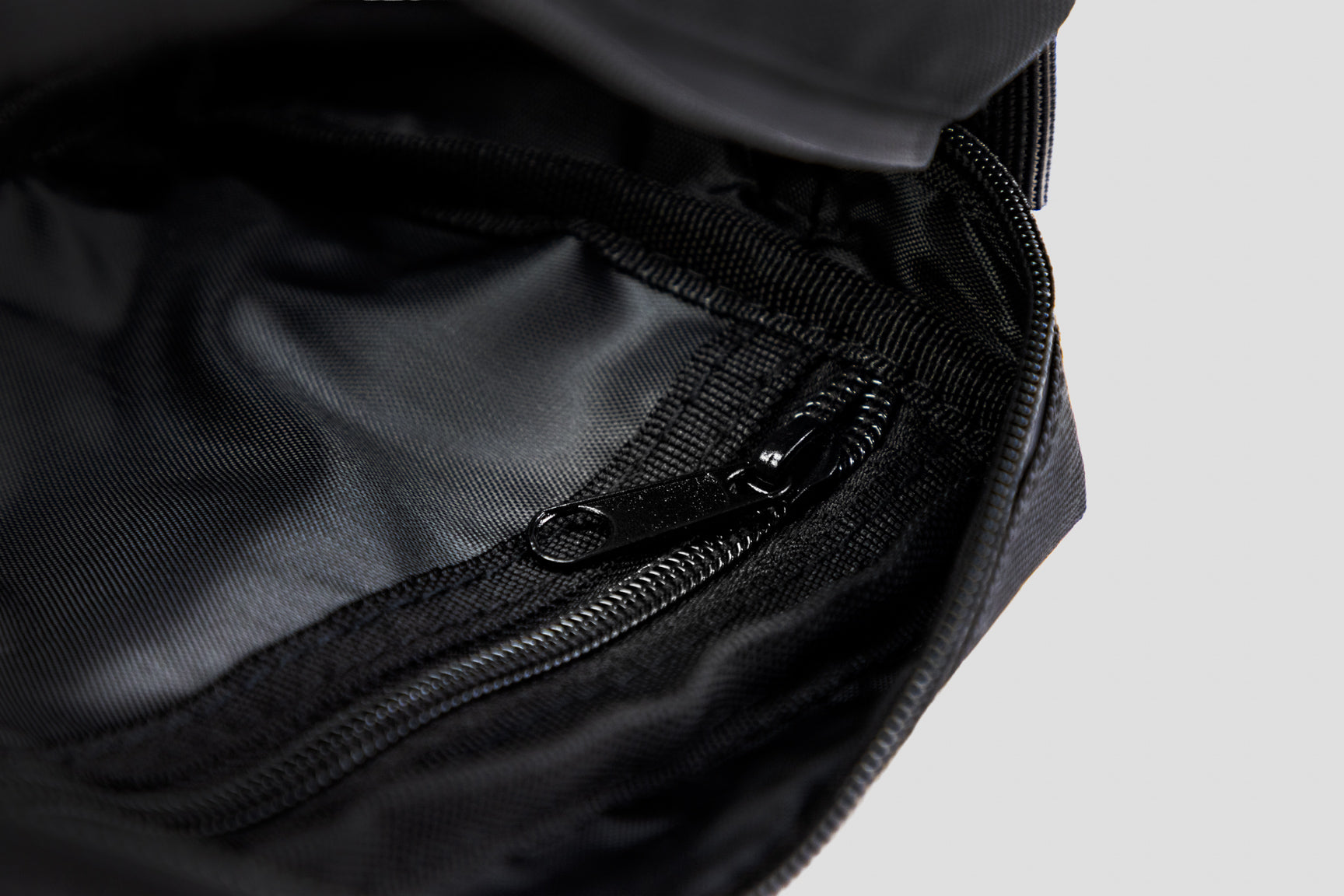
Multiple Compartments: Separate pouches for filters, batteries, and accessories. No digging through layers of gear.
Customizable Labels: Mark exactly what lives where. You or your assistant can find items instantly without searching.
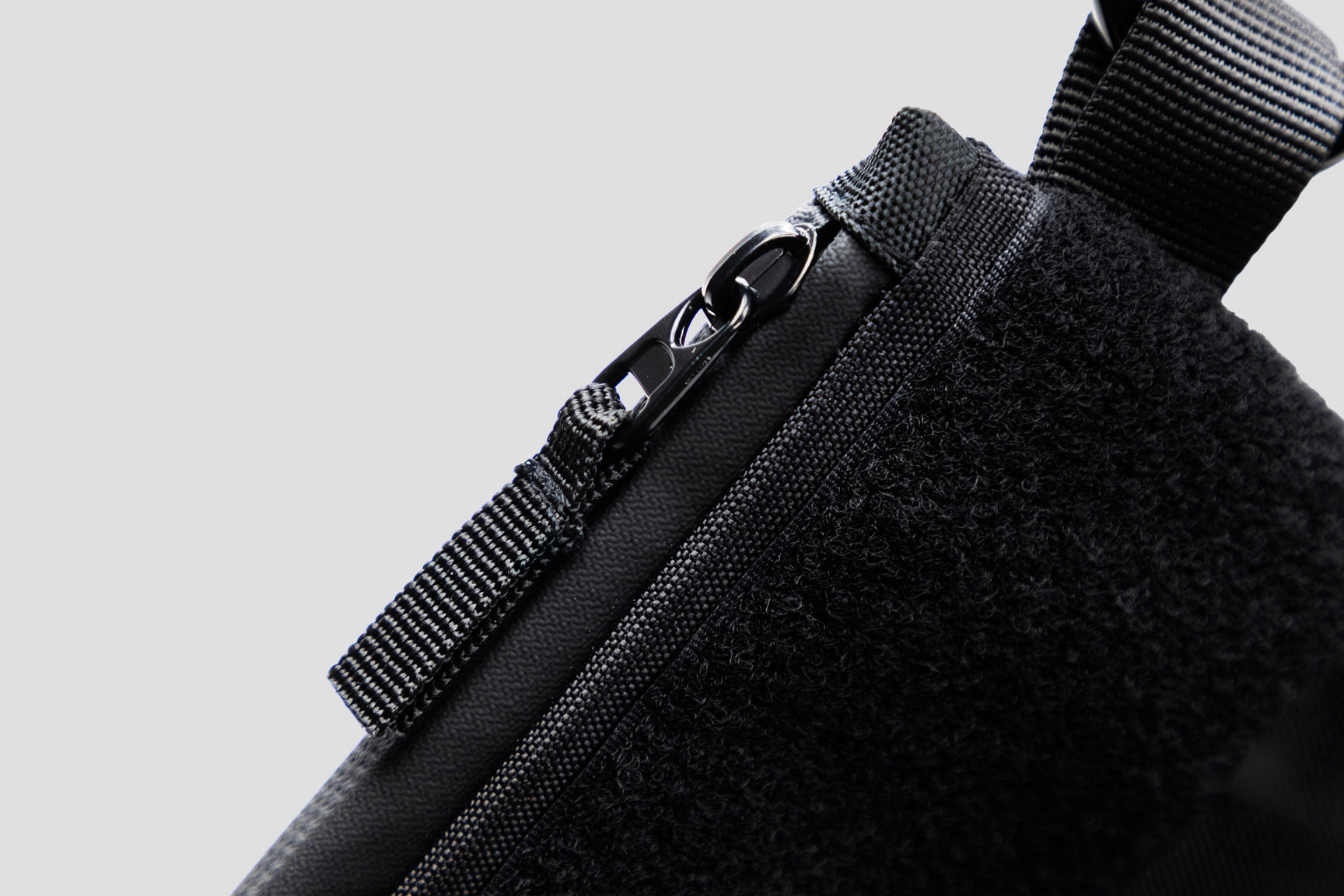
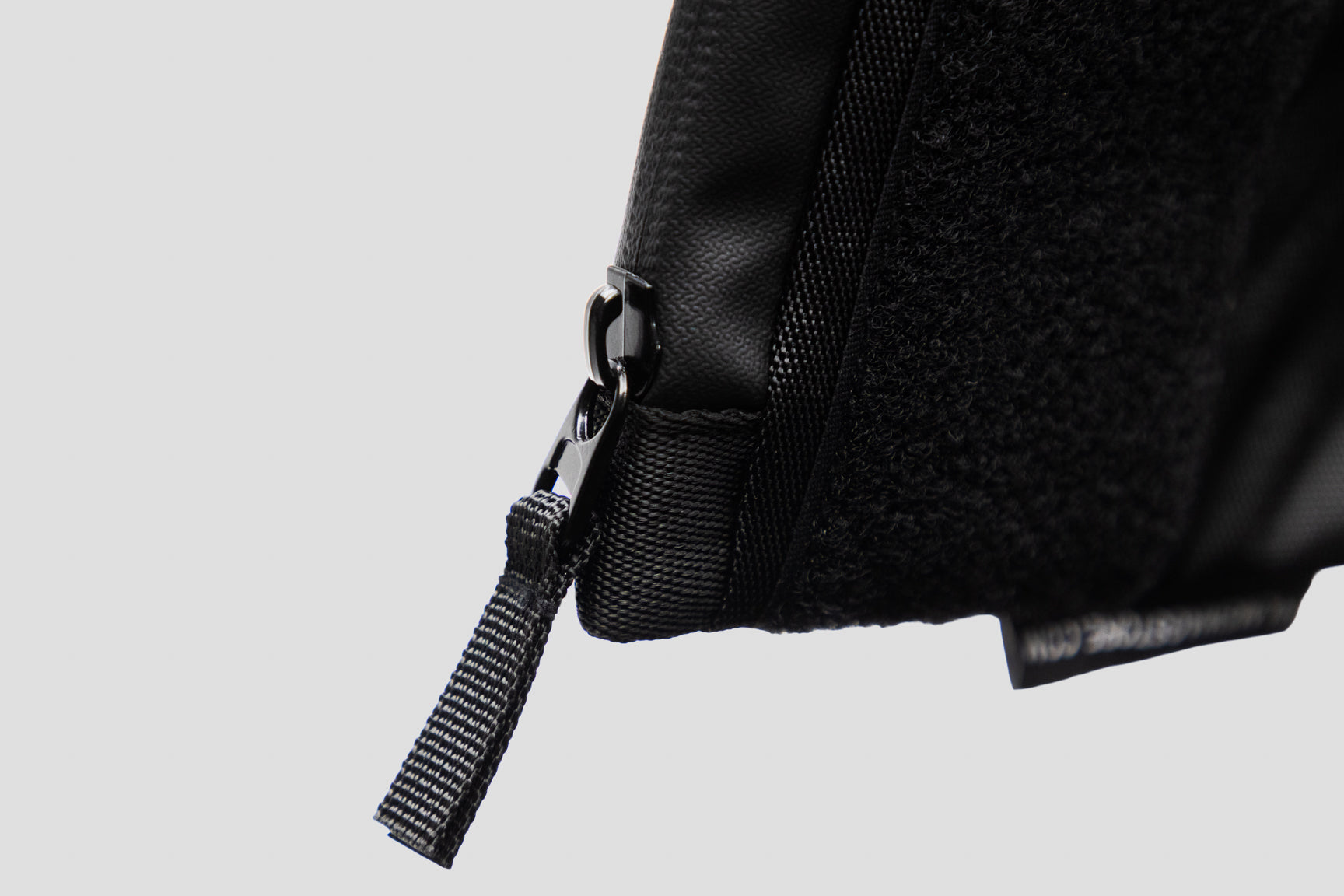
Lightweight Construction: Premium materials that are durable but don't add unnecessary weight.
Professional Appearance: Clean, organized bags that reflect the level of professionalism required for high-end work.
Real-World Steadicam Systems
Let me show you how working Steadicam operators actually use these systems:
David (Commercial Steadicam Op): On-body: Small pouch on vest with lens cleaning supplies and basic tools. Near-body: One 8x8" Film Swag bag with filters, batteries, and lens accessories. Base camp: Full Pelican case with complete lens set and backup gear. He can execute filter changes in under 30 seconds without removing his rig.
Rachel (Feature Film Steadicam Op): On-body: Vest pouch with essentials. Near-body: Two 8x8" bags—one for filters and lens accessories, one for batteries and electronic accessories. Base camp: Complete camera cart with full kit. Her assistant carries the near-body bags and can hand her exactly what she needs in seconds.
James (Owner-Operator): On-body: Minimal—just lens cleaning cloth and multi-tool. Near-body: One 10x10" bag with everything he needs for a typical setup (filters, batteries, basic accessories). Base camp: Comprehensive system organized by category. He works solo frequently, so his near-body system is designed for self-sufficiency.
Each of these operators built a system that works for their specific needs. But they all follow the same principles: on-body essentials, near-body quick access, base camp backup, and religious maintenance.
Your Next Step
If you're ready to build a professional Steadicam organization system, here's what I recommend:
For new Steadicam operators: Start with one 8x8" bag for near-body quick access. Focus on filters, batteries, and basic accessories. Build the habit of returning items to their homes after every setup.
For experienced operators: Build a complete three-pocket system. On-body essentials, near-body quick access (one or two compact bags), and organized base camp backup. Test your system under real operating conditions.
For owner-operators: Create a system that works with or without assistant support. Your near-body bag should be accessible enough that you can use it solo, but organized enough that an assistant can help when available.
The investment in proper organization isn't an expense—it's career insurance. The Steadicam operators who build great systems are the ones who get hired for high-end commercials, major features, and premium episodic work.
After I lost that commercial gig, I completely rebuilt my organization system. I bought two Film Swag organizer bags—one for filters and lens accessories, one for batteries and tools. I created an on-body system for essentials. I organized my base camp kit by category.
The next time I got called for a high-end commercial, I was ready. Filter change? Thirty seconds. Lens swap? One minute. Battery change? Twenty seconds.
The DP noticed. "You're fast," he said. "I like working with operators who have their shit together."
I've worked with that DP on 15 commercials since then. All because I finally understood that organization isn't optional—it's part of being a professional Steadicam operator.
Ready to build your system?
Visit FilmSwagStore.com and check out our Steadicam-specific organizer solutions. Every bag comes with our 30-day return policy and free shipping on orders over $150.
Your future self—and your career—will thank you.