
Imagine it is day three of a high-budget commercial shoot in downtown LA. We were running behind schedule, the client was getting anxious, and our 1st AC realized the backup 2 pin cable were missing. Not misplaced in a bag. Not left in the truck. Actually missing—probably still sitting on a cart at the rental house from the previous job.
The production had to shut down for four hours while we scrambled to get replacement gear. Four hours of crew standing around. Four hours of location fees burning. Four hours of a very expensive director checking his watch.
Final cost of that disorganization? Over $50,000 in lost production time, plus the reputation hit with a client we'd worked years to land.
That's the day I stopped treating gear organization as an afterthought.
The Real Cost of Camera Department Chaos
If you work in the camera department, you know the pressure. You're responsible for some of the most expensive equipment on set, and everyone's waiting on you. The DP wants a lens change. The director wants to see playback. Production wants to know if we're making our day.
And somewhere in the middle of all that, you're digging through three identical black bags trying to find the right follow focus gear or a specific lens port.
Here's what disorganization actually costs:
-
Time: The average camera team wastes 45-60 minutes per shoot day looking for small items. On a 12-hour day, that's 8% of your production time gone.
-
Money: Lost or damaged gear from poor organization costs camera departments an average of $3,000-5,000 annually in replacement fees and insurance deductibles.
-
Reputation: Miss one critical shot because you couldn't find a lens cap or filter, and you're "that AC who wasn't prepared." In this industry, reputation is everything.
-
Stress: Constantly scrambling creates a chaotic work environment that affects your entire team's performance and morale.
The camera department has more small, critical pieces than any other department on set. Lens port caps, follow focus gears, calibration tools, lens cleaning supplies, batteries, memory cards, filters, step rings, lens support rods—the list goes on.
Lose any one of these items at the wrong moment, and you can halt production.
Why Generic Bags Fail Camera Professionals
Most camera assistants start the same way: buying generic black pouches from Amazon or B&H. They look professional enough. They're cheap. They zip closed.
And they're completely inadequate for professional camera work.
Here's why generic bags don't cut it:
Everything looks identical. When you have six black pouches in your kit, you're opening every single one to find what you need. Under pressure, with a director waiting, that's unacceptable.
No customization. Your kit changes from job to job. One day you need space for wireless follow focus gear. Next week it's a Steadicam job with different requirements. Generic bags can't adapt.
Poor durability. Cheap zippers fail. Stitching comes apart. Materials wear out after a few months of real set use. You end up replacing bags constantly.
No system. Random bags scattered in a cart or case aren't a system. They're just slightly more organized chaos.
After my $50,000 mistake, I knew I needed something better. Something designed by people who actually work on set and understand what camera professionals need.
The Film Swag Rapid ID System: Built by ACs, For ACs
Film Swag Bags aren't just another pouch company. They were designed by working film professionals who've lived through the same organizational nightmares you have.
Here's what makes them different:
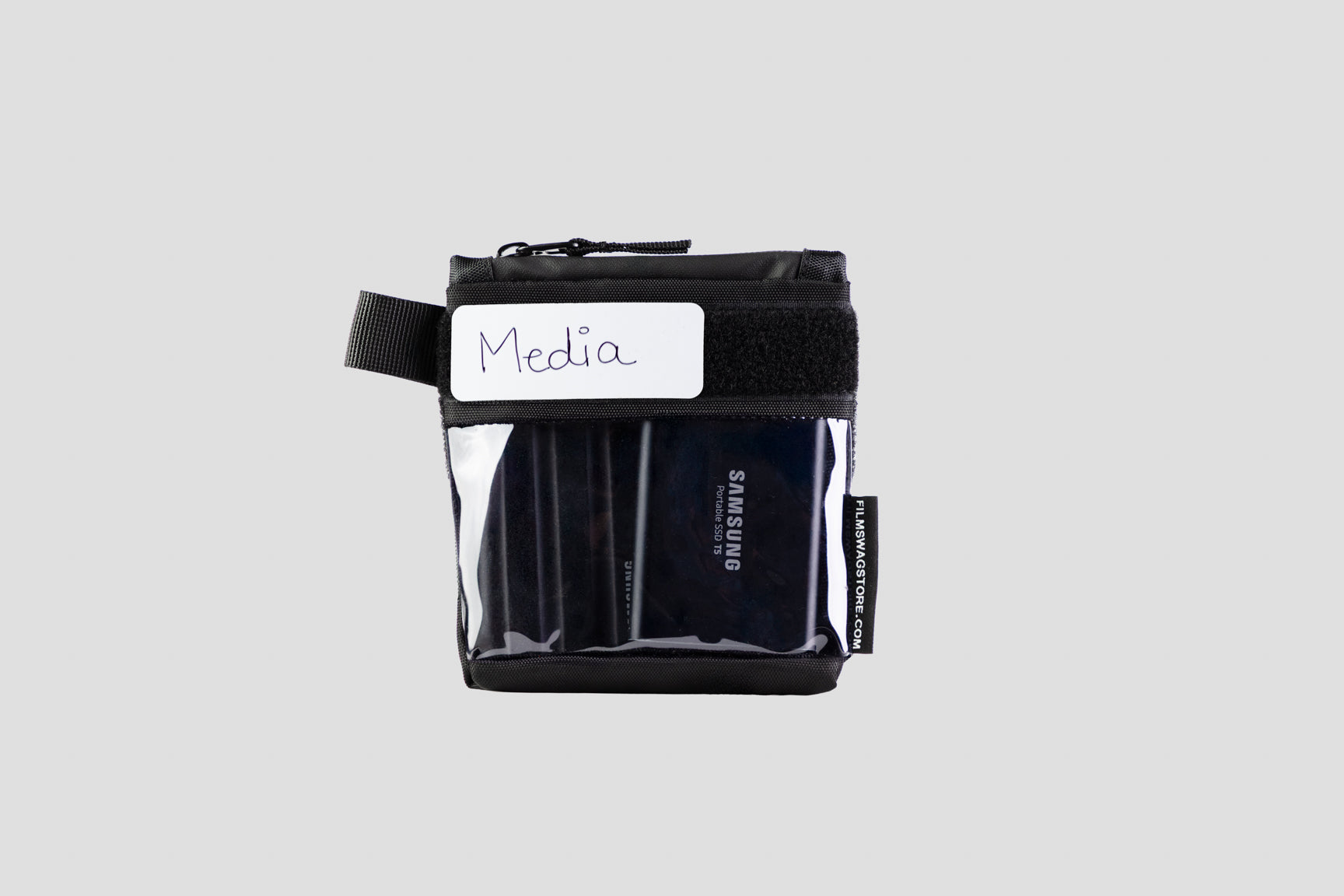
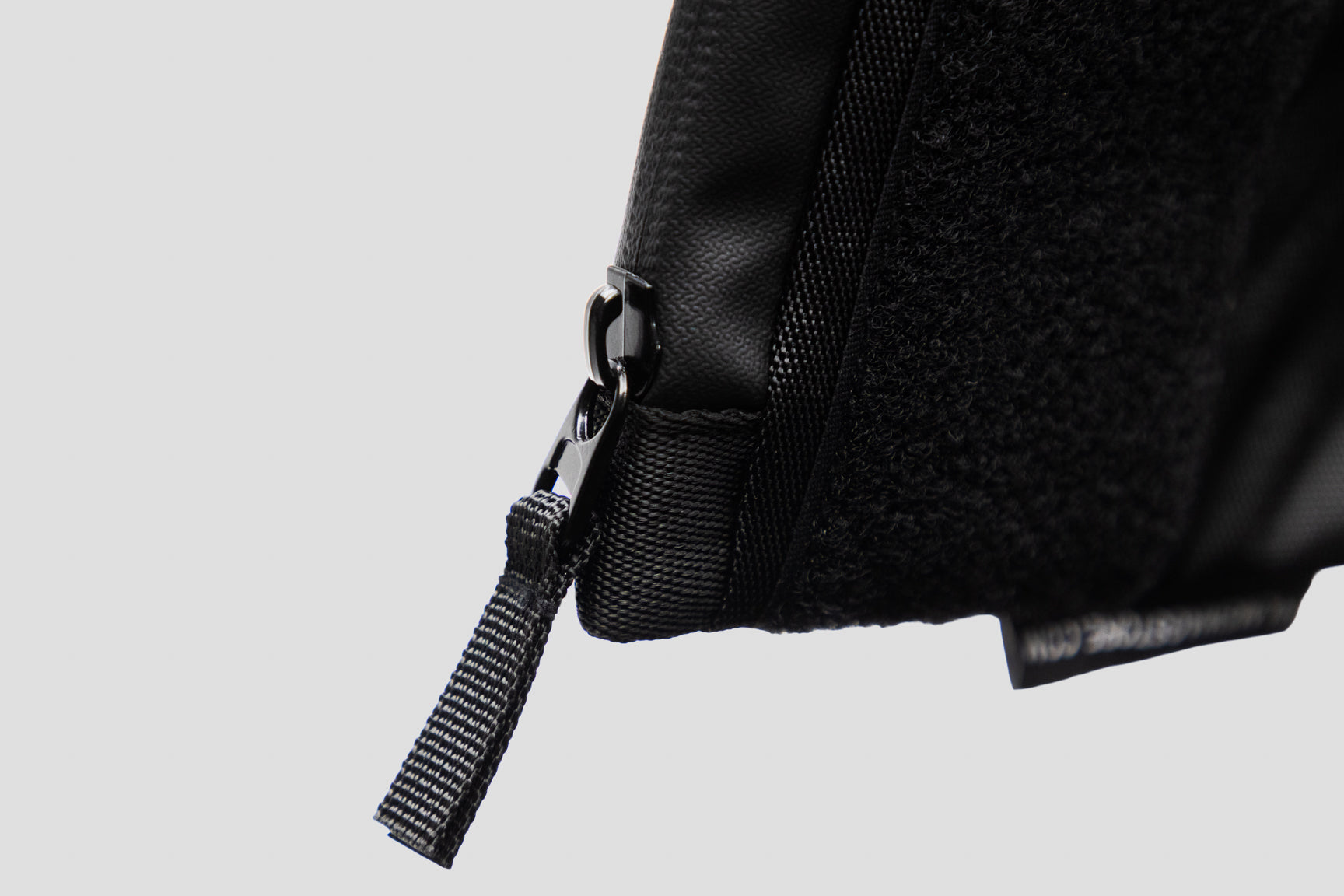
Customizable velcro labeling system. Every bag features a velcro patch area where you can attach custom labels. Write exactly what's inside with dry-erase markers. Change labels between jobs. Know instantly which bag has your follow focus gears versus your lens cleaning kit.
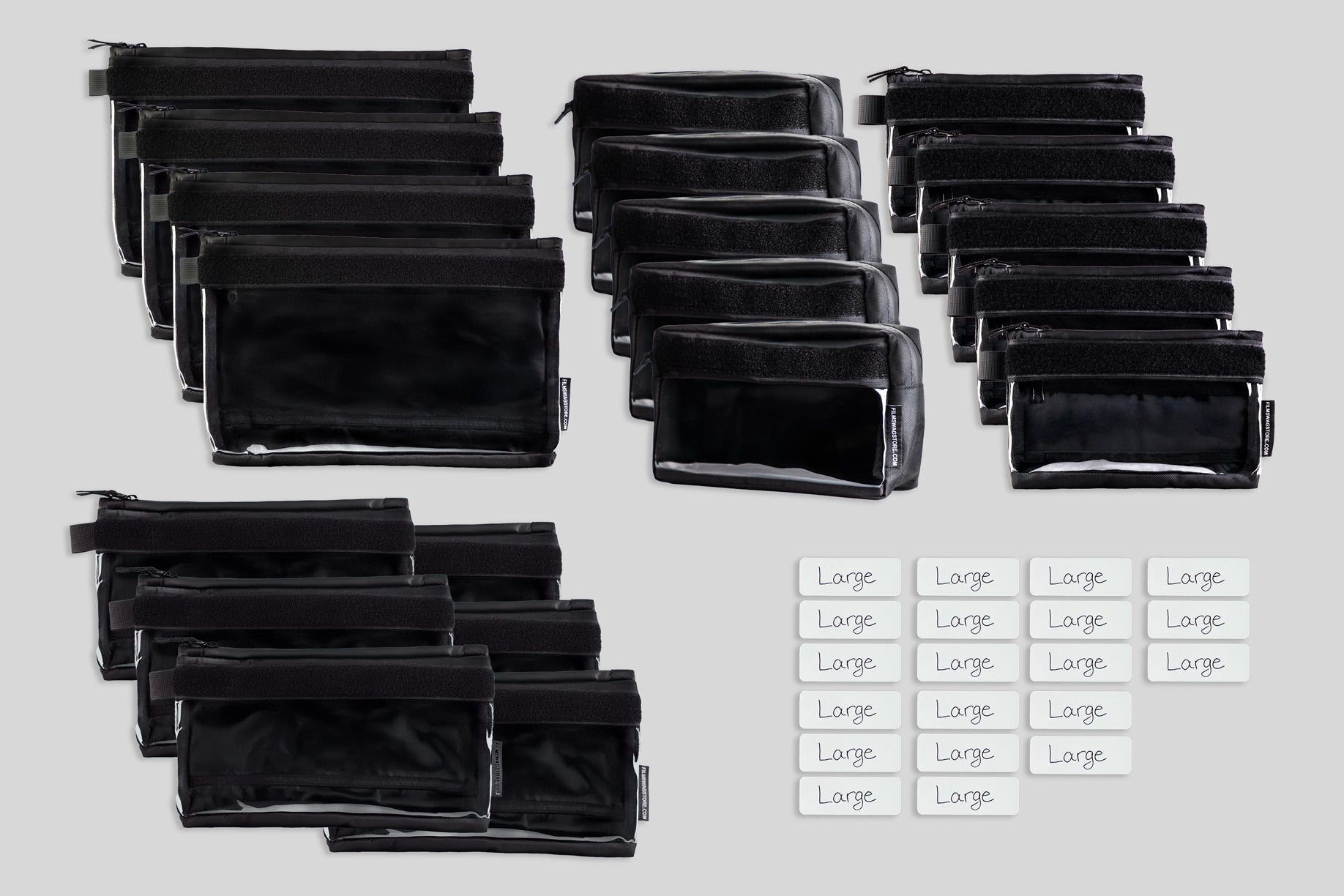
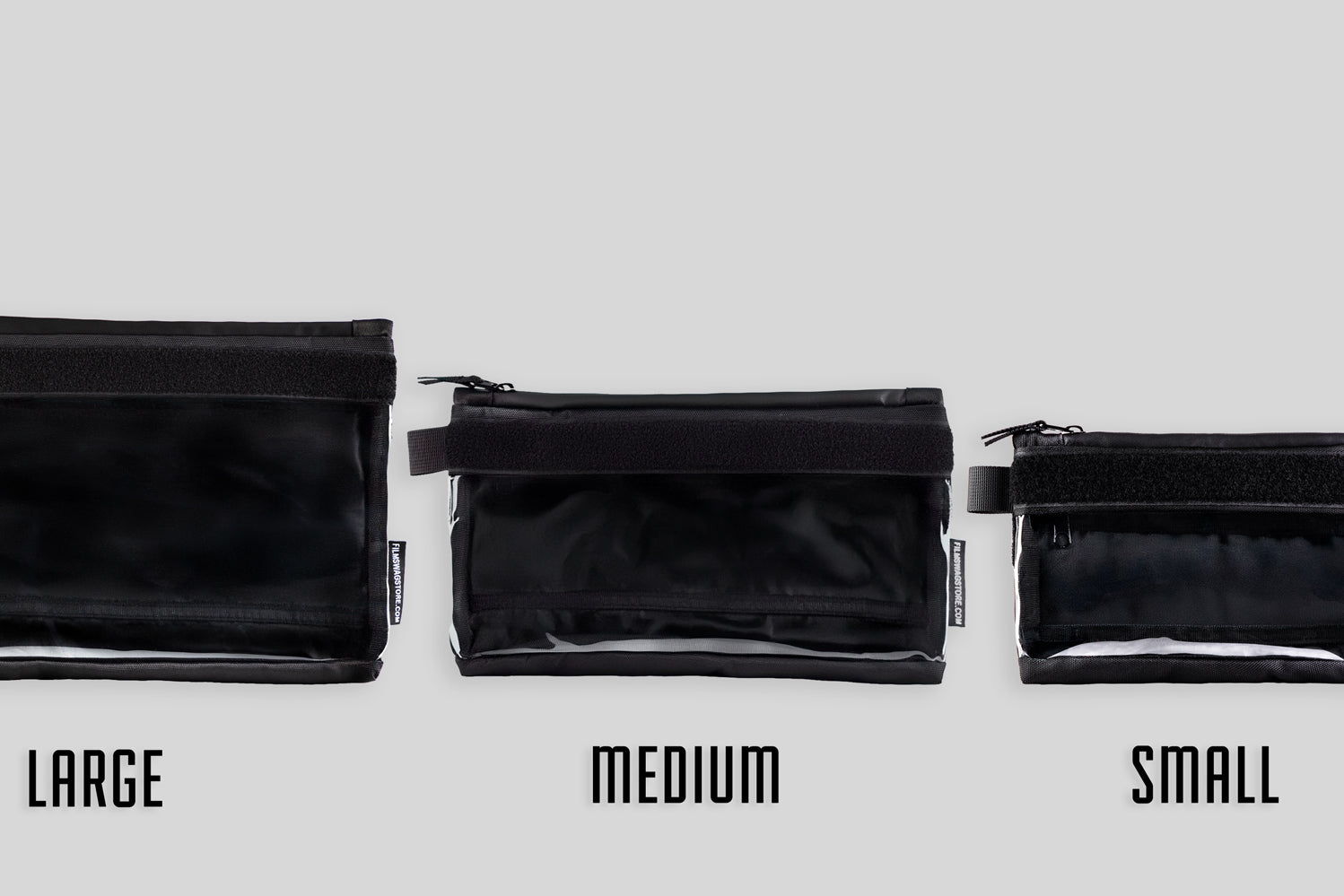
Multiple sizes for different needs. From 5x5" mini bags for small items like lens port caps to 14x14" extra large bags for complete lens accessory kits, there's a size for every piece of camera gear.
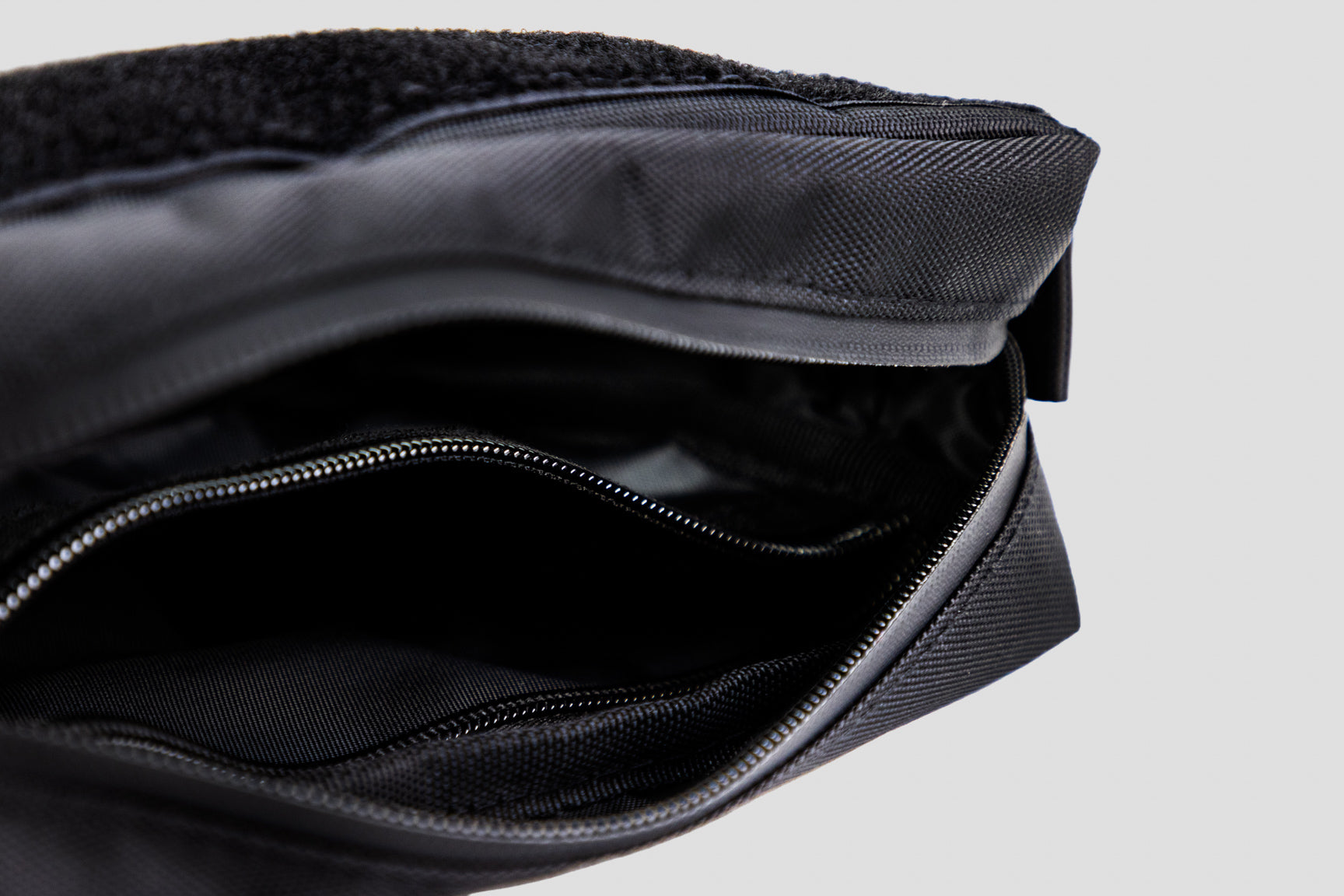
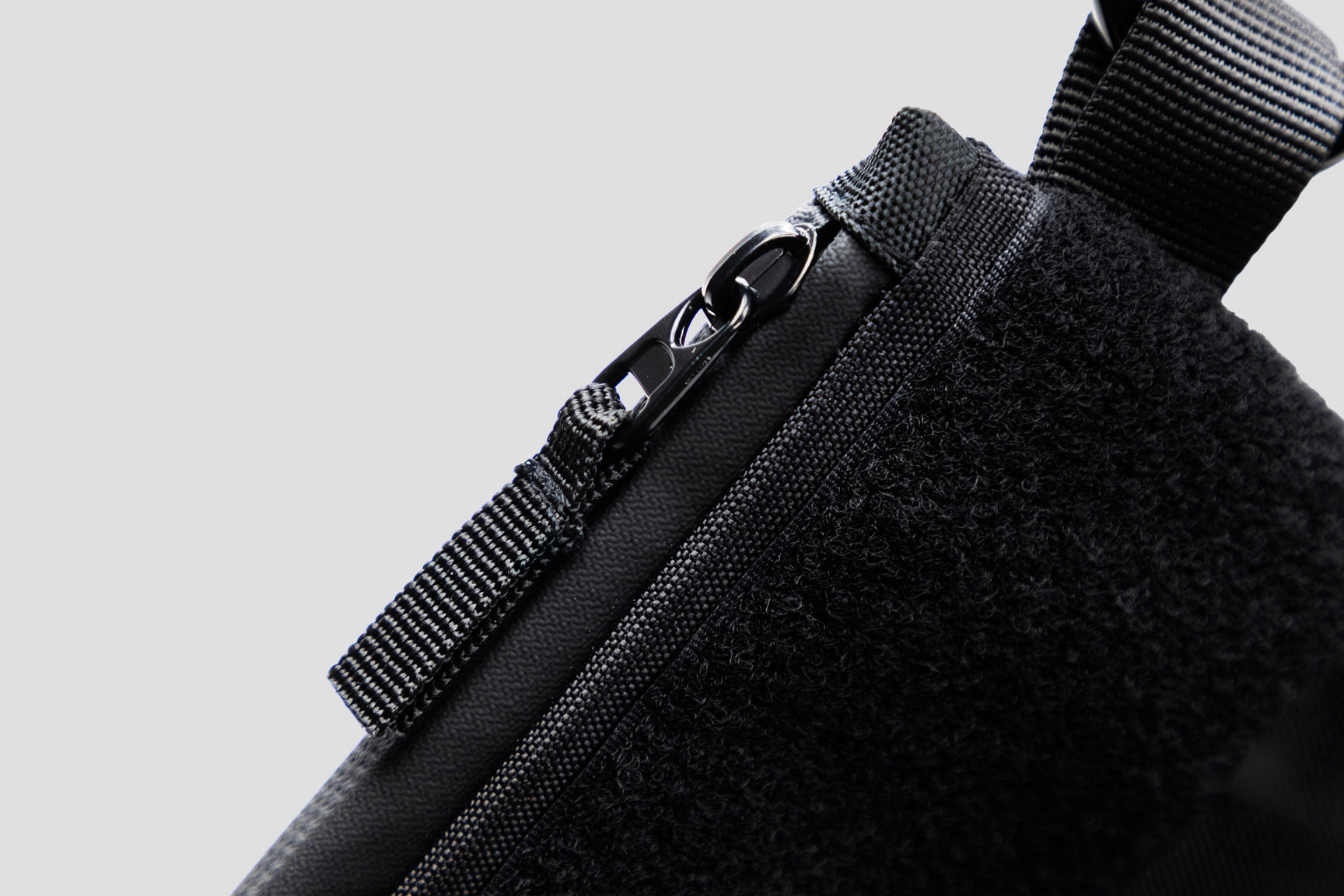
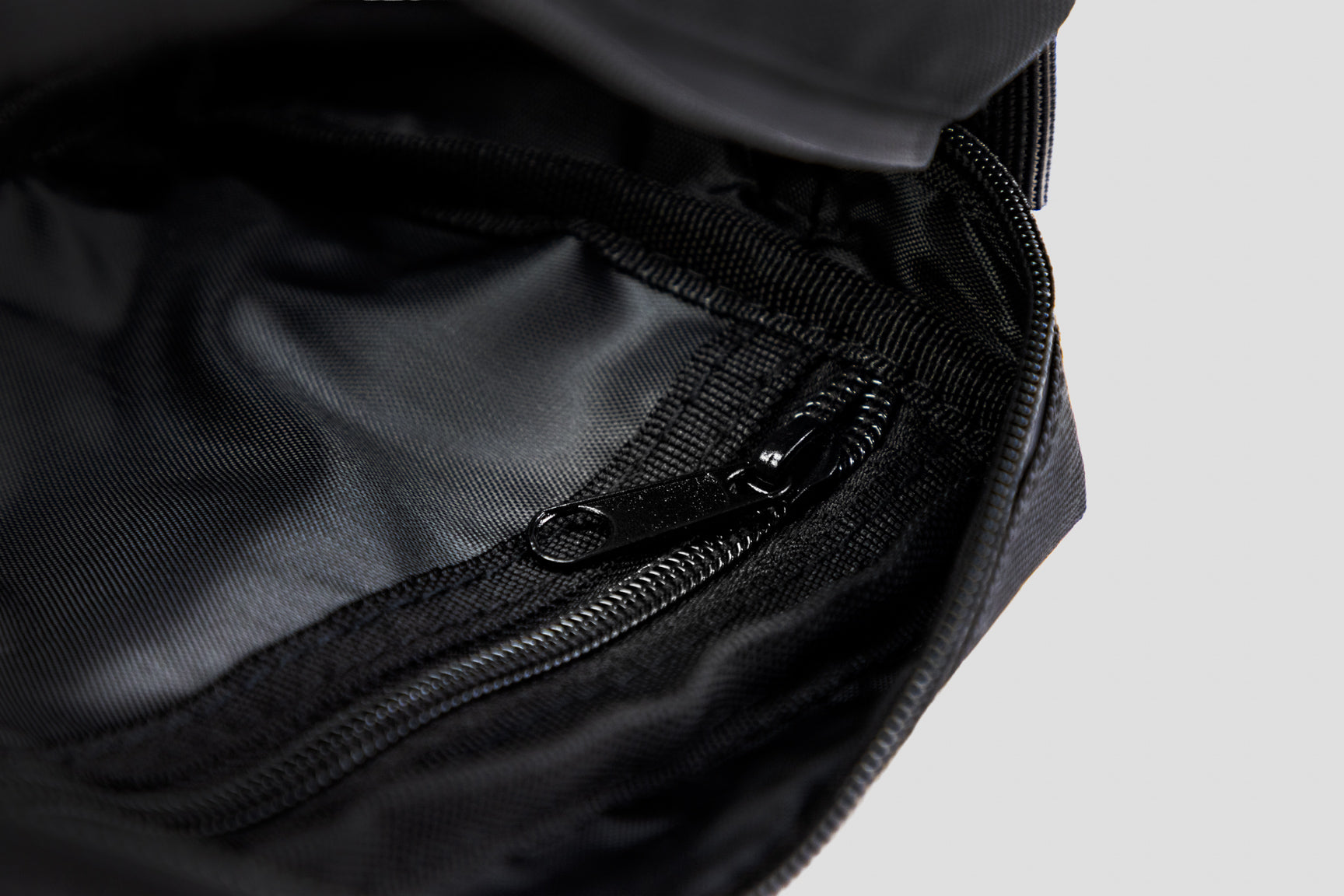
Set-tested durability. These bags use ultra-high-quality zippers and materials designed to withstand the punishment of real film production. They're built to last years, not months.
Designed by film professionals. The team behind Film Swag Bags comes from actual film production. They've worked as ACs and camera operators. They know exactly what you need because they've needed it themselves.
Industry-appropriate pricing. Professional quality at prices that work for working filmmakers, not just big-budget productions.
How I Reorganized My Camera Kit (And Saved My Career)
After that expensive lesson, I completely rebuilt my organizational system using Film Swag Bags. Here's exactly how I did it:
Step 1: Categorize by function
I divided all my small camera items into clear categories:
-
Lens accessories (port caps, step rings, lens supports)
-
Follow focus gear (gears, rods, mounting brackets)
-
Filters and filter accessories
-
Lens cleaning supplies
-
Batteries and power accessories
-
Memory cards and card readers
-
Calibration and measurement tools
-
Emergency repair items (tape, Allen keys, screwdrivers)
Step 2: Assign bag sizes
Each category got the appropriate Film Swag Bag size:
-
Small items like lens caps: 5x5" mini bags
-
Medium kits like follow focus gears: 7x9" medium bags
-
Complete systems like filter kits: 10x12" large bags
Step 3: Label everything clearly
Using the velcro label system, I marked each bag with exactly what's inside. "FF GEARS 0.8" for follow focus gears. "LENS CAPS ARRI" for ARRI lens port caps. "FILTERS 4x5.65" for my matte box filter kit.
No more guessing. No more opening every bag.
Step 4: Create a system map
I took a photo of my organized cart with all labeled bags visible and saved it to my phone. Now I can see at a glance if something's missing before we leave the rental house or wrap for the day.
Step 5: Maintain the system
At the end of every shoot day, everything goes back in its labeled bag. No exceptions. It takes an extra five minutes, but it saves hours of searching later.
The Results: Time Saved, Money Saved, Stress Eliminated
Six months after implementing the Film Swag organizational system, here's what changed:
Time savings: I estimate I save 45-60 minutes per shoot day by knowing exactly where everything is. That's nearly an hour I can spend doing my actual job instead of searching through bags.
Zero lost items: I haven't lost or misplaced a single piece of camera gear in six months. Before, I was replacing lost lens caps, filters, and small tools monthly.
Faster setups: When the DP calls for a lens change or filter swap, I can grab the exact bag I need in seconds. I'm faster, more efficient, and more valuable to my team.
Less stress: Knowing my kit is organized and nothing's missing eliminates a huge source of on-set anxiety. I can focus on the creative work instead of worrying about gear.
Better reputation: Other ACs and camera operators have noticed. I've gotten compliments from DPs and recommendations for jobs specifically because I'm known as "the organized AC."
Return on investment: The entire Film Swag system paid for itself in about two months through time saved and gear not lost or damaged.
Your Camera Department Starter System
Ready to get organized? Here's what I recommend based on your experience level:
Film Student / Entry-Level AC System ($150-200)
-
3x Medium bags (7x9") for lens accessories, batteries, and basic tools
-
2x Small bags (5x5") for memory cards and lens caps
-
1x Large bag (10x12") for your personal kit items
This covers the essentials without breaking a student budget.
Working AC / Camera Operator System ($300-400)
-
2x Extra Large bags (14x14") for complete follow focus and filter systems
-
4x Large bags (10x12") for lens accessory kits by lens type
-
4x Medium bags (7x9") for batteries, cleaning supplies, and measurement tools
-
3x Small bags (5x5") for small critical items
This is the professional system that handles most commercial and narrative work.
Full Camera Department System ($500-700)
-
3x Extra Large bags (14x14") for major systems (follow focus, filters, wireless video)
-
6x Large bags (10x12") for lens kits organized by format
-
6x Medium bags (7x9") for accessories and tools
-
4x Small bags (5x5") for critical small items
This is the complete system for camera trucks and large productions.
Why Film Swag Bags vs. Generic Amazon Bags
Let's be direct about the comparison:
Film Swag Bags:
-
Customizable velcro labeling system
-
Ultra-high-quality zippers that last years
-
Designed by working film professionals
-
Multiple sizes for different camera gear needs
-
Set-tested durability in harsh conditions
-
Professional appearance that matches your kit
-
30-day return policy and free shipping over $150
Generic Amazon Bags:
-
No labeling system—you're guessing what's inside
-
Cheap zippers that fail after months
-
Designed by people who've never worked on set
-
Limited size options
-
Materials wear out quickly
-
Look cheap and unprofessional
-
Inconsistent quality and customer service
The price difference is minimal—usually $5-10 per bag—but the quality and functionality difference is massive.
Real Camera Professionals, Real Results
"I switched to Film Swag Bags after losing a $400 lens port cap on location. The labeling system means I know exactly what's in every bag before we even leave the rental house. Haven't lost a single item since." — Marcus T., 1st AC, Los Angeles
"As a camera operator who owns my kit, organization isn't optional—it's how I protect my investment. Film Swag Bags have completely changed how I manage my gear. Everything has a place, and I can find anything in seconds." — Jennifer K., Camera Operator, Atlanta
"I recommended Film Swag Bags to our entire camera department. Now when we're building camera trucks for big shows, everyone's using the same system. It's made our prep days so much faster." — David R., Key Grip, New York
The Bottom Line: Organization Is Professional
That $50,000 mistake taught me something crucial: in professional film production, organization isn't a nice-to-have. It's a core professional skill that directly impacts your value and reputation.
You can be the most technically skilled AC in the world, but if you're constantly searching for gear or losing critical items, you're not a professional—you're a liability.
Film Swag Bags give you the system you need to be organized, efficient, and reliable. They're designed by people who understand film production, built to withstand real set conditions, and priced for working professionals.
The question isn't whether you can afford to get organized. It's whether you can afford not to.
Ready to build your system? Visit FilmSwagStore.com to see the complete line of organizer bags and start building the kit that will save you time, money, and stress on every job.
Free shipping on orders over $150. 30-day returns. Built by film pros, for film pros.
About the Author: This article was written by the team at Film Swag Store, founded by working film professionals with real on-set experience. We create organizational solutions because we've lived the problems they solve.